At a glance
Scent can serve as a personal reminder to pause. It is optional: a sound, texture or ordinary breath can anchor the same practice without fragrance.
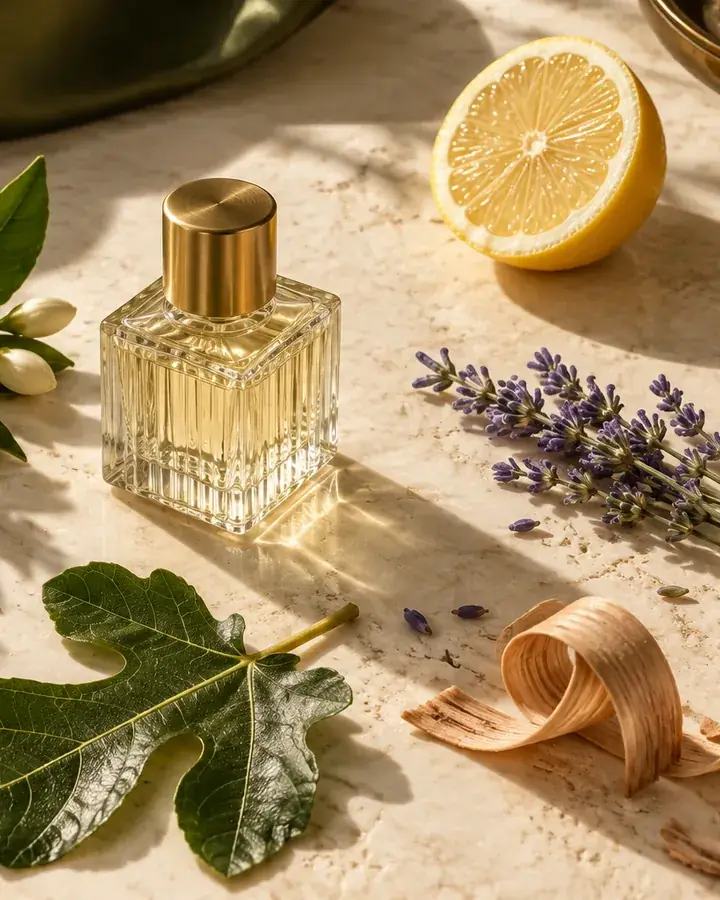
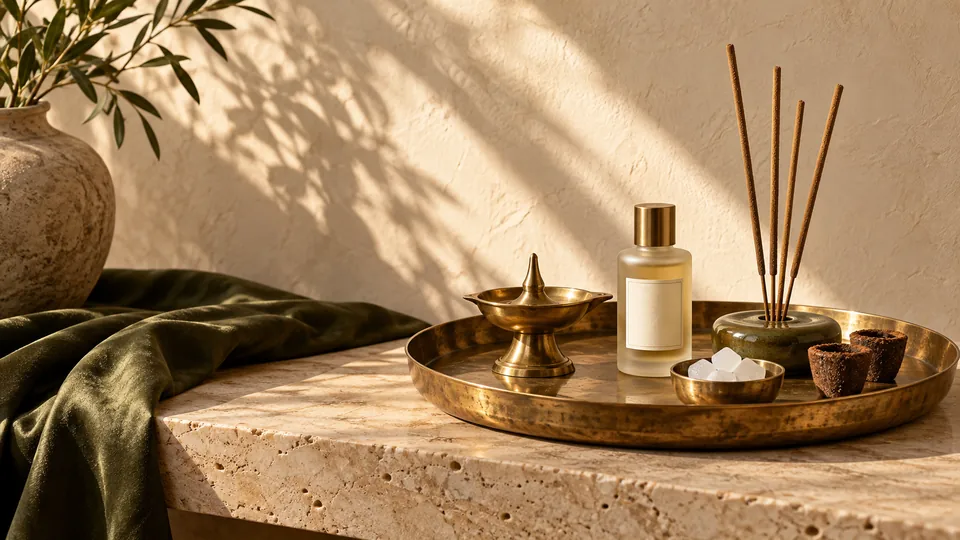
A familiar scent can mark the beginning of a quiet moment, much like sitting in the same chair or putting your phone aside. That is a practical way to combine aromatherapy and meditation: fragrance becomes an optional cue, not the source of the practice or a guarantee of relaxation.
Separate fragrance, aromatherapy and spiritual belief
Aromatherapy uses plant-derived essential oils as a complementary approach. A scented candle or room fragrance is not automatically an essential oil product; its formulation needs to be confirmed on the label. Meditation, meanwhile, involves practices such as attending to the breath, sensations or a chosen phrase.
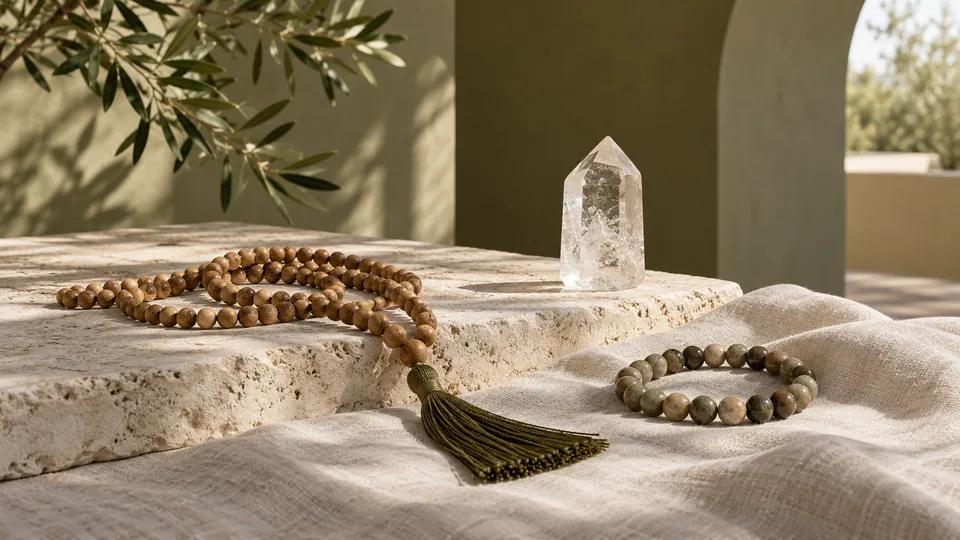
Some yogic traditions discuss meditation through prana, chakras and spiritual connection. These ideas belong to a traditional belief framework. They should not be presented as measured energy fields, proof of healing or evidence that a fragrance releases particular brain chemicals. You can respect the tradition while keeping medical claims separate.
Build a simple session
- Choose a comfortable seat and remove avoidable distractions. Keep your eyes open if that feels better.
- Begin without fragrance so you know how the practice itself feels.
- If you later add scent, use one product exactly as directed and keep it subtle. Other people in the room should be comfortable with it.
- Notice ordinary breathing, the support of your chair or a nearby sound. When thoughts arise, recognise them and return to that anchor.
- Finish by looking around and deciding on one ordinary next action, such as getting water or stretching gently.
There is no need to breathe more deeply to take in fragrance. Scent should remain in the background rather than becoming something you repeatedly inhale at close range.
Essential oil safety matters
Do not swallow essential oils or apply them undiluted to your skin. Use only methods and quantities supported by the product and device instructions. Do not improvise by adding oils to candle wax, an open flame or a bowl of boiling water. A natural origin does not remove risks of irritation or allergic reactions.
Ask a qualified clinician before use around pregnancy, young children or relevant medical conditions. Consider animals too: seek veterinary guidance and do not assume an oil is pet-safe. If anyone experiences coughing, wheezing, headache or discomfort, stop using the fragrance and ventilate the space.
Keep expectations realistic
Some research explores essential oils and relaxation, but findings for an oil in a particular study cannot establish benefits for every scented product. Meditation and aromatherapy do not replace prescribed care. If inward attention becomes distressing, end the session and try a simple outward activity instead.
Our guided meditation script offers a fragrance-free starting point. For the traditional vocabulary, read chakra meditation and the seven-chakra model. If you prefer candlelight, the Lavender Candle can be considered for its floral fragrance only; keep any flame supervised and extinguish it before becoming drowsy.
Put the guide into practice
Keep an unscented version of the same pause available, so the habit remains usable when you travel or share a fragrance-sensitive space.
Frequently asked questions
Do I need incense or a candle to meditate?
No. Begin with a chair, a safe place and a minute of attention. If you enjoy fragrance, introduce a small amount after you know the practice feels comfortable. For eyes-closed sessions, distraction or sleepiness, choose a flameless cue or no product rather than a burning candle.
How do I create a repeatable scent ritual?
Choose a simple sequence: prepare the space, notice your chosen cue, practise briefly and put the product away safely. Use the same cue only if you like it. A ritual should reduce decisions, not become a long checklist that makes you postpone practice.
What if a fragrance gives me a headache?
Stop using it and move to fresh air. Do not try to breathe through discomfort or cover the scent with another product. A fragrance-free practice is equally valid. Follow the product label, and seek appropriate advice if symptoms persist or you have concerns about exposure.
Can the same meditation cue work without fragrance?
Yes. Keep another part of the sequence, such as sitting in the same chair or closing a notebook, and leave fragrance out. That gives you a version for shared spaces, travel or fragrance-sensitive days. The cue helps you recognise the beginning; it does not need to create a particular mental state or determine how successful the practice was.
About this guide
Mahonie Journal · Reviewed 24 October 2026. Practical editorial guidance. Follow the directions supplied with your product; choose practices that suit you. Product pairings are optional.