At a glance
The heart chakra theme can support reflection on kindness and relationships. It does not require you to forgive, feel warmth or reopen a relationship that is unsafe.
Anahata, the heart chakra, is the fourth centre in the commonly taught seven-chakra model. It is associated with the centre of the chest and themes of compassion, connection and love. Green, and sometimes pink, appear in contemporary interpretations. These are symbolic spiritual associations, not evidence that a chakra controls the heart or lungs.
Compassion can include a boundary
Compassion means noticing suffering and considering a helpful response. It does not require agreeing with someone, staying in a harmful relationship or taking responsibility for every problem. You can care about a person and still say no to a request.
In heart-themed reflection, ask both “What kindness is possible?” and “What limit do I need?” The two questions belong together. Taking care of your own needs is not a failure of openness.
A gentle loving-kindness practice
- Sit comfortably, with your eyes open if preferred. Notice an ordinary sound or the support beneath you.
- Choose yourself or someone who feels safe to think about. You do not need to include a person who has harmed you.
- Offer a simple phrase: “May I have support,” or “May you find moments of ease.” Change the words until they feel believable.
- Notice what happens without demanding warmth or affection. Neutrality and awkwardness are possible responses.
- Finish with a small action, such as sending a thoughtful message or making space to rest.
If the phrases feel false or bring up distress, stop. A quieter alternative is noticing one ordinary act of care you witnessed today. The exercise is an invitation, not a test of your capacity to love.
Grief and forgiveness have no spiritual deadline
Loss, betrayal and disappointment may take time to process. Do not label these experiences as chakra blockage or suggest that a person needs to forgive quickly to heal. Forgiveness is a personal choice, and reconciliation is separate from it. Professional support can be helpful when grief or trauma feels overwhelming.
For journaling, try “Who makes me feel heard?” or “What would a kind response to myself look like today?” Avoid turning the exercise into a demand for constant positivity.
What about crystals, fragrance and chest-opening poses?
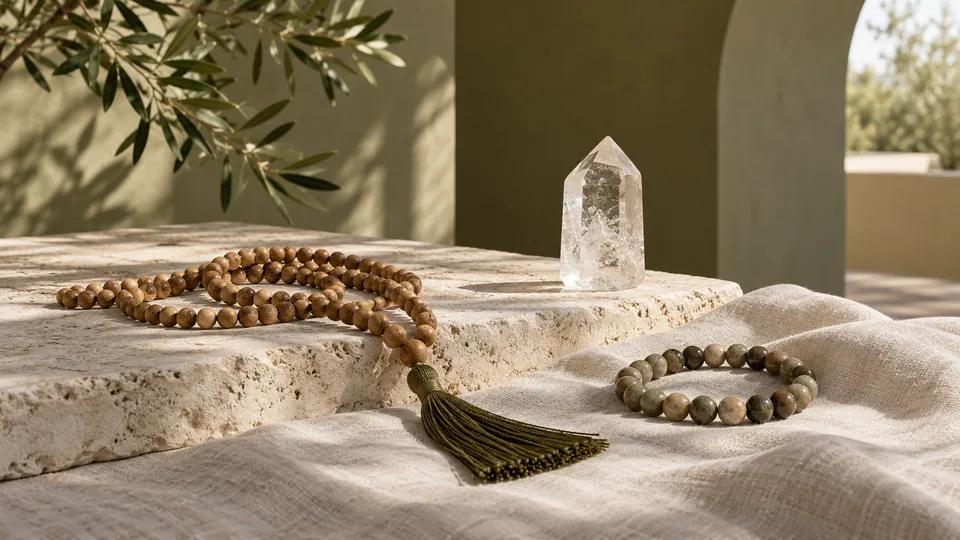
Some spiritual practices include meaningful objects, scent or movement. These may have personal significance, but they do not have established mechanisms for medically healing Anahata. You do not need to buy anything to reflect on compassion. If you choose movement, use a comfortable range and appropriate guidance; deeper stretches are not proof of progress.
Chest pain, breathlessness and heart-related concerns require medical attention, not chakra interpretation. Do not delay care while trying a meditation or an alternative product.
Read the seven-chakra overview for context. Our short guided meditation provides a simpler, non-symbolic practice you can adapt. Healthy connection leaves room for difficult feelings, boundaries and appropriate support.
Put the guide into practice
A small considerate action can be enough; you do not need to describe yourself as loving or forgiving to try a helpful response.
Frequently asked questions
How can I practise kindness without forcing a feeling?
Choose a neutral phrase such as “May I find one manageable moment today”. Say it once and notice the response, even if that response is blankness or irritation. Kindness can be expressed as a useful action, not only as a warm emotion.
Must I include someone I find difficult?
No. Begin with yourself, a supportive person or a neutral figure. Skip anyone whose inclusion feels overwhelming. A contemplative exercise does not require reconciliation or removal of boundaries. You can end by choosing a simple, safe action that reflects care.
Can this heal heartbreak?
Do not expect a symbolic meditation to remove grief or repair a relationship. It may offer a brief space for reflection if it feels right for you. Persistent distress deserves real support; taking a break from the exercise is a valid choice.
Does a heart chakra practice require forgiveness?
No. A reflective kindness practice does not require forgiving someone, contacting them or changing a boundary. You can focus on a manageable person or situation, or offer a simple phrase to yourself. Notice your response without demanding warmth. The theme is an invitation to reflect, not an instruction to dismiss hurt or explain relationship difficulties as an energy problem.
About this guide
Mahonie Journal · Reviewed 24 October 2026. Practical editorial guidance. Follow the directions supplied with your product; choose practices that suit you. Product pairings are optional.