At a glance
A candle can add enjoyable light and scent to a room. Treat those as sensory preferences, not evidence that a candle treats stress, purifies air or improves sleep.
Candles offer light, fragrance and a sense of occasion. Those are worthwhile reasons to enjoy them without turning them into medical products. A quiet evening can feel different with a small pool of candlelight, but a burning candle does not guarantee better sleep, concentration or emotional wellbeing.
What candles can add to everyday life
A visual change of pace
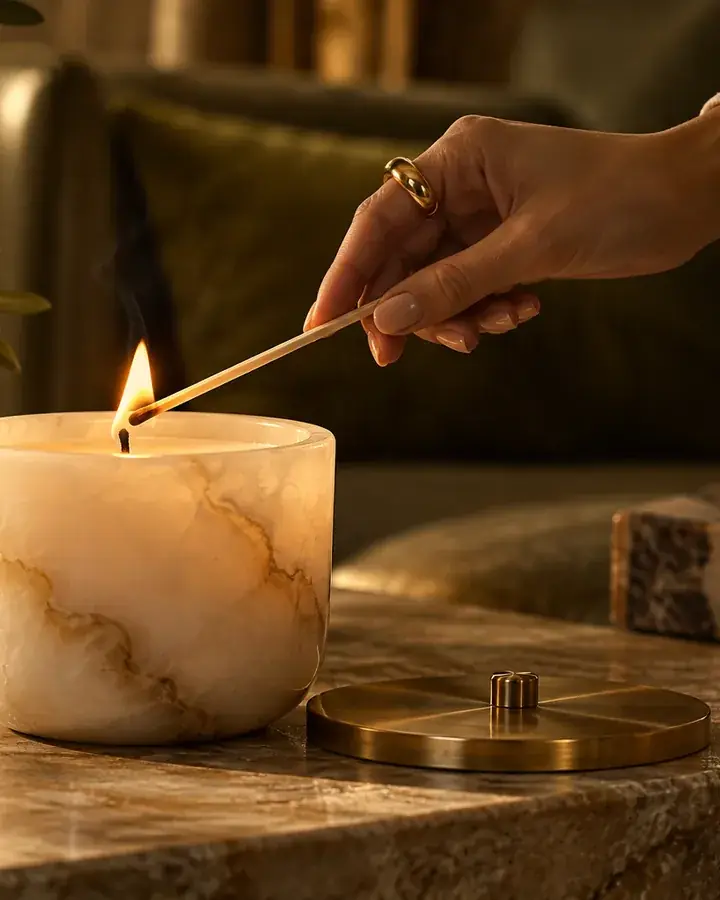
A flame introduces movement and a different kind of light from a screen or ceiling fixture. You might use it to mark a meal, a conversation or a short break. Keep enough electric light for safe movement and any task that requires clear vision.
A personal fragrance preference
A scent can remind you of a place or something familiar. Those associations are individual, not universal. The Vanilla Candle is an option if you enjoy a sweet vanilla profile. Choose it for that fragrance rather than a claim that vanilla treats stress or changes brain chemistry.
A deliberate routine
Lighting a candle while you put your phone aside may help mark the end of a working day. The useful part of the ritual can also be the pause, the change in activity and the time you set aside. You can keep those elements without a flame or fragrance whenever you prefer.
Do candles purify the air?
No candle should be treated as an air purifier. Burning involves combustion and can add particles and other emissions to indoor air. Fragrance may change how a room smells, but it does not remove allergens, mould, pollutants or the source of an odour. Beeswax and plant-based wax labels are not evidence that a candle cleans the air.
For stale or unpleasant smells, address the cause, clean appropriately and ventilate when conditions allow. Do not use scent to cover a suspected gas leak, electrical burning smell or damp problem; those need direct attention.
Can candles help relaxation or focus?
You may personally enjoy candlelight during a break or a supervised meditation. That is different from establishing a treatment for anxiety, insomnia or concentration difficulties. Research about meditation or particular essential oils cannot be applied automatically to a candle with a similar fragrance name.
If scent brings on headache, coughing or breathing discomfort, stop using it. A fragrance-free room or battery-operated candle may be more suitable. Do not assume a product is safe for asthma, allergies, children or pets because it is described as natural.
Keep the enjoyment proportionate to the risks
Follow the candle's care instructions, keep it on a stable heat-resistant surface and never leave a flame unattended. Keep it away from children, pets, draughts and anything flammable. Extinguish it before you feel sleepy. Candles are not a substitute for room heating or a safe default during a power cut; a torch is preferable for emergency lighting.
For planning a setting, see creating ambiance with candles. Our soy wax candle guide also separates material preferences from unsupported health and performance promises.
Frequently asked questions
Do scented candles improve wellbeing?
Some people enjoy the atmosphere of a candle as part of an evening routine. That personal experience is different from a proven treatment effect. Notice whether you enjoy the light and fragrance, use it safely and avoid products or marketing that promise medical outcomes.
Do candles clean the air?
Do not use a candle as an air purifier. Ventilation and removal of a source of unwanted odour serve different purposes from adding fragrance. If a candle produces visible smoke or soot, extinguish it, let it cool and check the wick, placement and label before further use.
Can I leave a candle burning while I fall asleep?
No. Extinguish it before becoming sleepy or leaving the room. For an evening wind-down, separate the supervised candle session from getting into bed. You can keep the later routine fragrance-free, or use a suitable flameless product according to its directions.
Are scented candles safe around pets?
Keep any flame, hot vessel and fragrance product out of reach, and give animals a way to leave the area. Do not assume that a fragrance described as natural is suitable for every species. If you have exposure concerns, choose no fragrance and ask a veterinarian about the specific product and animal.
Can I burn a candle in a closed room?
Follow the label’s ventilation guidance and avoid small enclosed spaces where fragrance or smoke becomes uncomfortable. A window or fan should not create a draft directly across the flame. If a room cannot support safe placement and ventilation, choose another setting or skip the candle.
What is a flame-free alternative to a candle ritual?
You can use ordinary lighting, a quiet pause or a fragrance format that does not involve an open flame, if suitable for the people and space. Each fragrance format still has its own directions and placement needs. For a rest practice that may lead to sleep, remove the open flame before beginning rather than relying on remembering to extinguish it later.
About this guide
Mahonie Journal · Reviewed 24 October 2026. Practical editorial guidance. Follow the directions supplied with your product; choose practices that suit you. Product pairings are optional.
Further reading: National Candle Association: candle safety.
